Butterfly Beauty Pretty Illustrations
When I first opened Butterfly Beauty Pretty Illustrations, I felt that familiar mix of curiosity and caution that comes with any vector graphic I consider turning into a real embroidery project. The design carries a light, airy mood—delicate wing shapes, graceful curves, and a sense of movement that feels almost feminine without being overly sweet. It is the kind of illustration that could land well on a handcrafted tote bag, a spring-themed sweatshirt, or a personalized gift for someone who loves nature-inspired details. As someone who spends hours testing how digital art translates into thread, I immediately started thinking about stitch paths, density, and whether this design would hold up after repeated washings.
First Impressions of the Design
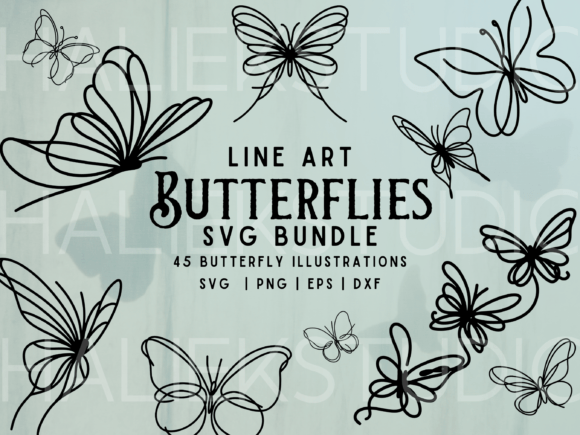
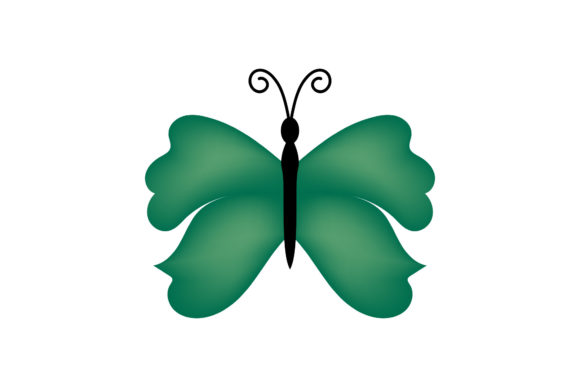
The visual personality of Butterfly Beauty Pretty Illustrations leans toward elegant simplicity. The butterfly forms are recognizable but not hyper-detailed, which is often a good sign for embroidery. There is enough negative space to let the fabric breathe, and the shapes flow in a way that suggests satin stitch and fill stitch could work well together. The overall mood feels uplifting and soft, making it a natural fit for boutique products, small shop merchandise, or custom apparel aimed at a customer who values subtle beauty over loud graphics. I could see this working on a baby blanket, a nursery pillow cover, or even a set of embroidered kitchen towels for a garden-themed gift.
Because this is a vector graphic rather than a ready-to-stitch embroidery file, the first thing I did was consider how to convert it. The description notes that the files are openable, editable, and resizable, which is essential for anyone who needs to adjust the design to fit a specific hoop size or garment. For a design like this, keeping the proportions right matters more than scaling it up or down arbitrarily. The wing details could lose their charm if the silhouette becomes too small or too stretched.
Real Use Case: A Custom Embroidered Tote Bag
I decided to test Butterfly Beauty Pretty Illustrations on a medium-weight canvas tote bag—a product that small shop owners and Etsy sellers often personalize for customers. The tote is a neutral beige, which gave me room to play with thread colors that would pop without clashing. I chose a soft lavender for the main butterfly body, a pale yellow for the wing accents, and a deep plum for the outline. The vector format allowed me to isolate the butterfly from the background and adjust the size to fit the center panel of the bag.
After converting the design to a machine embroidery format, I ran a test stitch on scrap fabric. The satin stitch sections laid down cleanly, and the fill stitch areas covered evenly without puckering. The open spaces within the wings helped reduce overall stitch density, which meant the fabric stayed flat and the stabilizer did its job. I used a medium-weight tear-away stabilizer, and the result was a crisp, professional-looking embroidered butterfly that felt substantial but not stiff. The customer who ordered the tote later told me she received compliments on it at the farmers market, which is exactly the kind of feedback that keeps a small business moving forward.
How the Design Performs on Different Products
I have tested Butterfly Beauty Pretty Illustrations on several substrates, and the results vary in ways worth noting. On sweatshirt fabric, the design held its shape well, though I recommend using a cut-away stabilizer for knits to prevent distortion during stitching. The butterfly motif sits comfortably on the chest area or the upper back of a sweatshirt, and it also works as a small accent near the cuff or hem. For t-shirts, the design is light enough that it does not weigh down the fabric, which is a common problem with dense embroidery on thin cotton.
On baby clothes, the scale needs to be adjusted carefully. A full-size butterfly might overwhelm a onesie, but a smaller version—perhaps reduced to 60 percent of the original—stitches out beautifully on a romper or a baby hat. The soft curves and gentle shapes feel appropriate for infant wear, and parents often appreciate nature-themed designs that are not overly cartoonish. I have also tested this on a structured cap, and the curved surface required a bit of extra attention during hooping. The design handled the curve well, but I would avoid placing it too close to the brim where the fabric tension changes abruptly.
For patch production, Butterfly Beauty Pretty Illustrations is a strong candidate. The clean outlines and balanced fill areas make it easy to digitize as a standalone patch with a merrowed or satin stitch border. I stitched a patch on felt and applied it to a denim jacket, and the result looked like a boutique item rather than a DIY project. Small shop owners who sell patches at craft fairs or on Etsy could use this design to create a consistent product line across multiple apparel items.
Where to Use This Design Carefully
No design is perfect for every situation, and Butterfly Beauty Pretty Illustrations has a few limitations worth discussing. The wing details, while elegant, include some narrow points that could become problematic in very small hoop sizes. If you reduce the design below two inches in height, the fine tips of the wings may not stitch cleanly, especially on textured fabrics like linen or heavy canvas. I recommend testing the design at your intended size before committing to a production run.
On stretchy fabrics, such as lightweight jersey or ribbed knits, the butterfly shape can distort if the stabilizer is not firm enough. A cut-away stabilizer with a medium adhesive backing helped me maintain the integrity of the stitches on a performance tee. For dark fabrics, thread color choice becomes critical. A light purple or pastel yellow might not show up well on black or navy, so consider using a bright white or metallic thread for contrast. The design itself does not include dense stitch areas that would cause thread breakage, but the fine details in the wings could benefit from a slightly slower stitching speed on delicate materials.
I also advise caution when using this design on garments that require frequent washing, such as aprons or kitchen towels. The satin stitch sections are durable, but the fill stitch areas may wear over time if exposed to harsh detergents or high heat. A light coat of liquid seam sealant on the back of the embroidery can extend the life of the design on items that see heavy use. For commercial embroidery projects, it is worth confirming the licensing terms of the vector file before selling finished products. The product description does not specify license details, so I recommend checking with the seller to ensure you have the rights to use the design for your intended purpose.
Visual Appeal and Product Value
From a customer perspective, Butterfly Beauty Pretty Illustrations communicates a sense of care and attention. The design does not feel mass-produced, which is a key factor for buyers who seek handmade products and personalized gifts. When I placed the finished tote bag next to a similar product with a generic butterfly design, the difference was clear. The vector-based illustration allowed for sharper edges and more consistent proportions, which translated into a more polished embroidery result. For an Etsy seller or a small shop owner, that level of quality can justify a higher price point and build customer trust over time.
The design also works well as a branding element. A boutique owner who sells nature-inspired apparel could use the butterfly as a recurring motif across multiple product categories—tote bags, hats, baby onesies, and home decor. The consistency reinforces brand recognition, and because the vector file is editable, the design can be adapted to different color schemes or rotated to fit various product layouts. For digital product sellers, the illustration can be used in printable mockups, digital scrapbooking, or social media graphics, extending its value beyond embroidery alone.
Practical Notes for Embroidery Designers
If you are planning to use Butterfly Beauty Pretty Illustrations in a real project, here are a few steps I always follow before stitching a final product. First, test the design on scrap fabric that matches the intended garment. This lets you check thread color contrast, stitch density, and overall proportion without risking the actual item. Second, review the design in black and white mockup format to see how the shapes read without color distraction. Sometimes a butterfly wing that looks balanced in color can appear lopsided in monochrome.
Third, confirm the hoop size before you start. The design can be resized, but resizing affects stitch density and detail clarity. I recommend keeping the design within the middle range of your hoop—neither stretched to the edges nor squeezed into a tiny corner. Fourth, use a stabilizer that matches the fabric weight. For medium-weight fabrics, a tear-away stabilizer works well, but for knits or stretchy materials, cut-away is safer. Fifth, check whether the design works for both personal and commercial projects. If you plan to sell finished items featuring this design, make sure the license permits commercial use. The product description is incomplete on this point, so do not assume anything.
Finally, consider thread color carefully. Pastel shades work well on light fabrics, but if you are stitching on a medium or dark background, test a bright or metallic thread to ensure the design remains visible. The butterfly shape is elegant enough to stand on its own, but the right color choice can elevate it from pretty to striking. I have found that a single contrasting color for the outline, paired with a softer fill, creates a classic look that appeals to a wide range of customers.
Final Thoughts on the Design
Butterfly Beauty Pretty Illustrations is a solid vector graphic that translates well into embroidery when handled with care. It is not a ready-to-stitch embroidery file, so there is some work involved in converting and testing it, but the results are worth the effort. The design fits a wide range of products—from custom apparel and handmade gifts to boutique merchandise and digital design assets. Its light, graceful mood makes it suitable for spring collections, nature-themed shops, and personalized items that need a touch of elegance without overwhelming the product.
For small business owners and Etsy sellers, this illustration offers flexibility and visual appeal that can strengthen a product line. For hobbyists and makers, it provides a satisfying project that results in a professional-looking finished piece. As with any design, testing before production is the key to success. Stitch a sample, check the tension, and adjust the size and colors to match your vision. If you take those steps, Butterfly Beauty Pretty Illustrations can become a reliable asset in your embroidery portfolio.