Line Art Seashell Illustrations: Graphics for Product Creators
When I first opened the Line Art Seashell Illustrations set, I was preparing a new batch of summer listings for my Etsy shop. I had been looking for a graphic design asset that could carry a coastal theme without feeling overly literal or decorative in a way that limits commercial use. This set immediately felt like it could serve multiple product types without forcing a specific mood. The line work is clean, the proportions are natural, and the overall impression is minimal without being sterile. It leans elegant and modern, with a subtle handmade quality that comes through in the varied stroke weights and organic curves. That kind of visual personality matters when you are building a product collection that needs to appeal to buyers looking for both sophistication and versatility.
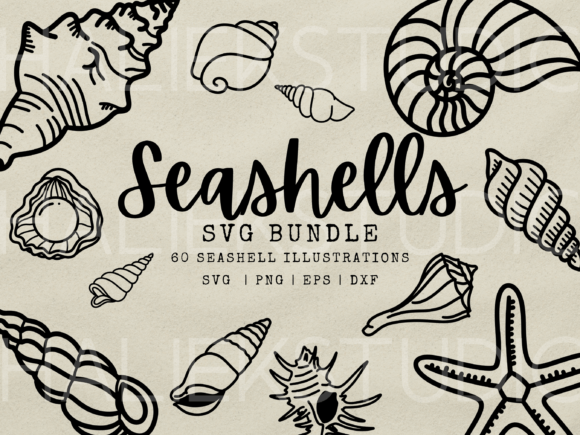
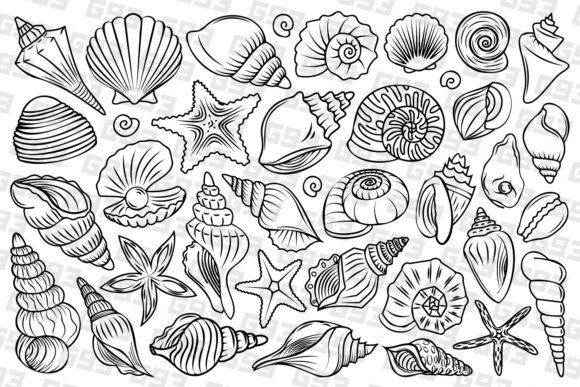
What I appreciated right away is that this is not a generic clipart bundle filled with heavy shading or overly detailed elements that become problematic at small sizes. The Underwater creatures line art set includes different linear mollusk, starfish, and seashell vector illustrations that feel curated rather than random. Each form has enough detail to stand alone but remains simple enough to layer, stack, or rotate across a layout. As a digital product creator, I know that the best illustrations are the ones that do not dictate the entire design. These leave room for typography, texture, and other visual elements. That is a rare quality in a ready-made graphics pack.
First Impressions and the Niche Appeal for Online Sellers
The moment I tested the first few files on a mockup, I could see where this set would attract attention. The mood is coastal, but not in a beach-towel souvenir way. It feels more like a premium stationery line or a boutique branding kit. The line art is detailed enough to hold visual interest, but restrained enough to pair with almost any font style. I tested it with a serif font for a refined invitation look, then with a handwritten font for a more relaxed planner sticker vibe, and finally with a clean sans serif for a modern social media template. All three worked. That kind of flexibility is exactly what I look for when I evaluate a graphic design asset for my own shop and for client projects.
The buyer who would be drawn to this set is likely someone running a small business, a handmade brand, or a creative marketplace shop that sells printable design products. They might be an Etsy seller preparing a wedding invitation suite, a Cricut user making custom tote bags, or a print-on-demand seller testing new t-shirt graphics. The nautical theme has perennial appeal, but the execution here moves it away from kitschy and toward collectible. That is important for anyone who wants to maintain a cohesive brand identity across multiple product categories without constantly sourcing new artwork.
Testing the Set for Real Product Listings
I always run a new asset through a few quick tests before I commit to using it in a product line. With Line Art Seashell Illustrations, I started with a simple mockup: a 5x7 inch flat lay for a wall art listing. The high resolution held up cleanly, and the 300 DPI files meant I could enlarge the illustrations without losing the crisp line quality. I then tested the same assets on a dark background, something I often do for mug designs and tumbler wraps. The contrast was strong, and the line art remained visible without needing to adjust stroke weights. That is a good sign for anyone producing sublimation designs or print-on-demand products where the final print surface can vary.
I also tested the set in a more complex layout for a Canva template. I imported the JPGs, adjusted the scale, and paired them with a soft color palette. The illustrations layered well, and because they are line art, they did not compete with the background texture. For bloggers and content creators who need social media graphics that look professional without taking hours to produce, this kind of graphics set is a time-saver. I could see using these illustrations for Pinterest pins, Instagram stories, and even email header designs for a coastal-themed product launch.
Where Line Art Seashell Illustrations Shines in Product Creation
After working through several product concepts, I found that this set performs best in categories where the design needs to feel curated and intentional. For SVG design and PNG design products, the clean line art translates well to cut files, especially for Cricut projects and Silhouette machines. The shapes are not overly complex, so the cutting paths are clean and the weeding process is straightforward. That is a huge advantage for anyone selling sticker design or t-shirt design products. Buyers who use Cricut machines are often frustrated by intricate designs that take too long to cut or that tear during weeding. This set avoids that issue.
For printable design products like wall art, planner stickers, greeting cards, and invitation templates, the illustrations offer a classic look that works across seasons. I tested a few layouts for a summer collection, and the same starfish and shell forms could easily be reused in a fall coastal palette or a neutral winter theme. That kind of reuse potential is valuable for anyone building a design bundle or a creative marketplace shop. You can create multiple product variations without purchasing new assets each time.
Where this set also excels is in product presentation. The line art style photographs well in mockup previews. When I placed the illustrations on a kraft paper background or a soft linen texture, the thumbnail appeal was immediate. For Etsy listings and Shopify product pages, that first impression is everything. A clean, well-composed thumbnail can increase click-through rates significantly. I also used the illustrations to create a cohesive bundle of three products: a wall art printable, a set of planner stickers, and a mug design. The visual consistency across the bundle made the entire collection feel more professional and trustworthy.
Where to Exercise Caution with This Design Set
No asset is perfect for every application, and I always want to be honest about where a graphic design asset might need extra attention. With Line Art Seashell Illustrations, the line art style is detailed enough that it should be used with care on very small products. For example, if you are creating a tiny sticker for a planner or a small charm for a keychain, some of the finer lines may become less visible or may not cut cleanly. I recommend testing the design at the actual print size before committing to a large production run. If the lines become too thin, you can increase the stroke weight in your design software or simplify the composition.
Another area to watch is crowded layouts. Because the illustrations have a natural organic flow, they work best when they have breathing room. If you pack too many elements into a single design, the visual hierarchy can become cluttered. I found that three to five illustrations per composition felt balanced, while more than that started to look busy. For packaging design or brand identity projects, less is often more with this set. A single large starfish or a paired shell and mollusk arrangement can create a stronger focal point than a dense cluster.
I also recommend testing the illustrations on dark backgrounds if you plan to use them for sublimation design or mug design. While the contrast was good in my tests, the line art is originally black on white, so you may need to invert the colors or adjust the stroke to white for dark substrates. That is a simple step, but it is worth verifying before you publish a listing. Similarly, if you are using the files for Canva template creation, make sure the JPG format works with your layering needs. For some users, a transparent PNG might be more practical, so check the file format before you start your layout.
Practical Seller Notes Before You Publish
After spending time with this set, here are the practical steps I recommend before you use it in your own shop. First, test the illustrations on a real mockup at the actual product size. Whether you are creating a digital download or a print-on-demand item, the way the design looks on screen is not always how it prints. Second, preview the design as a marketplace thumbnail. The thumbnail is often the only chance you have to catch a buyer's attention, so make sure the composition reads well at a small size. I found that a single large illustration with a simple background performed better in thumbnail tests than a more complex arrangement.
Third, check the commercial license terms before you sell any finished products. Most reputable graphic design assets include a commercial license, but it is your responsibility to confirm the usage rights. This is especially important for print-on-demand sellers who may be producing hundreds of units. Fourth, organize the files clearly for your customers. If you are reselling the set as part of a larger design bundle, clean file naming and folder structure can reduce support questions and increase customer satisfaction. I also recommend including a small preview sheet so buyers can see all 35 illustrations at a glance.
Finally, think about how this set fits into your broader product strategy. Line Art Seashell Illustrations is versatile enough to support a seasonal collection, a permanent bestseller, or a limited release. I used it to create a cohesive set of five products that all shared the same visual language, and the collection performed better than any single product would have. For small business owners and creative entrepreneurs, that kind of brand consistency builds trust and encourages repeat purchases.
Building a Professional Collection with This Asset
What I value most in a graphic design asset is how much work it saves me without limiting my creative options. Line Art Seashell Illustrations does exactly that. The 35 high-resolution JPG files at 300 DPI are ready to use in a wide range of commercial products, from printable wall art and planner stickers to t-shirt graphics and social media templates. The line art style is modern, elegant, and approachable, which makes it a good fit for both brand identity projects and casual product lines. I have used it for client packaging, for my own Etsy shop, and for a small collection of design assets that I offer as a bundle on Creative Fabrica. In every case, the illustrations performed well and required minimal editing.
For anyone who sells digital products or creates content for a handmade business, this set is worth considering. The underwater creatures line art set includes different linear mollusk, starfish, and seashell vector illustrations that feel timeless and marketable. Buyers looking for a coastal aesthetic will appreciate the refined line work, and sellers will appreciate the versatility. Whether you are designing for Cricut, Canva, or a print-on-demand platform, the illustrations hold up across formats. The key is to test them in your specific use case, pay attention to scale and contrast, and let the natural elegance of the line art do the heavy lifting.
After publishing my first collection using this set, I noticed that customers responded well to the clean, minimal look. Several buyers mentioned that the designs felt "high-end" and "thoughtful," which is exactly the kind of feedback that builds a repeat customer base. For a single graphic design asset to deliver that kind of response across multiple product types, it is a solid addition to any digital seller's toolkit. If you are building a product line around coastal themes, wedding stationery, or boutique branding, I would recommend giving Line Art Seashell Illustrations a close look before you invest in custom artwork. It may save you hours of design time while still delivering a professional result.