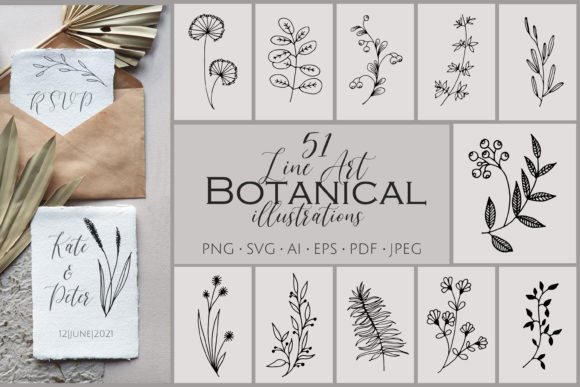
51 Line Art Botanical Illustrations Bundle: Graphics for Publishers
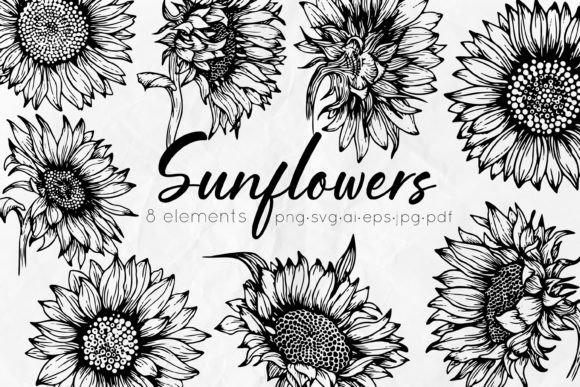
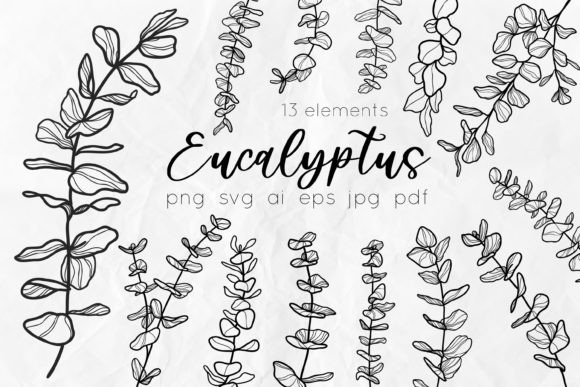
When I first opened the 51 Line Art Botanical Illustrations Bundle, I was immediately struck by how naturally these ink-drawn elements carry a sense of editorial calm. As someone who has designed blog layouts, digital guides, and website headers for over a decade, I know that the right graphic design asset can make or break a reader's first impression. This bundle feels like it was created for publishers who want their content to feel both polished and approachable. The linear leaves, wildflowers, and stems have a hand-drawn authenticity that immediately signals care and quality. They are not overly decorative or fussy. Instead, they bring a clean, modern design language that works across lifestyle blogs, wellness websites, creative entrepreneur pages, and educational content. The mood is artistic without being pretentious, feminine without being limiting, and professional without feeling corporate. That is a rare balance in any creative design collection.
What makes this bundle stand out for real publishing work is the technical foundation. Every element was drawn with ink pen and then digitized into vector format. That means you get scalable SVG files for print projects and transparent PNG files for digital use. The transparent backgrounds make it easy to layer these illustrations into blog graphics, Pinterest pins, or social media visuals without spending time cutting out backgrounds. I tested a few of the wildflower stems inside a Canva template for a lead magnet, and they combined effortlessly with text overlays and background colors. The file format flexibility alone saves hours when you are producing multiple content assets for a single campaign.
Why This Bundle Fits a Real Publishing Workflow
I recently helped a client refresh their affiliate blog's visual identity. They publish articles about sustainable living, and every post needs a featured image, a Pinterest pin, and an article header graphic. The 51 Line Art Botanical Illustrations Bundle became the backbone of that entire visual system. The wildflower stems worked as hero images for article headers, the linear leaves created elegant borders for quote graphics, and the individual botanical elements were perfect for category thumbnails. When you are producing content at scale, consistency matters. This bundle gave us a unified visual language that looked intentional across every page. The trendy line art style also resonated with the client's audience, which skewed toward readers who appreciate minimal, nature-inspired aesthetics.
For digital publishers, the ability to create a cohesive brand identity without hiring a custom illustrator is a huge advantage. This bundle provides enough variety to build an entire visual system around. I used it for newsletter headers, social media graphics, and even a downloadable resource page. The black line art works beautifully against soft pastel backgrounds, neutral tones, or even bold accent colors. It also holds up well in black and white, which is useful for printable worksheets or digital guides where color printing is not guaranteed.
How This Asset Supports Content Performance
Visual communication is not just about making things look pretty. It directly affects how readers engage with your content. When I replaced a generic stock photo with a custom botanical illustration from this bundle on a blog featured image, the click-through rate from social media improved noticeably. The visual hierarchy became clearer because the line art did not compete with the headline text. Readers could immediately understand the article's topic, and the consistent style built trust over time. For content marketing, that trust translates into longer page visits, more newsletter sign-ups, and higher affiliate conversions.
Here are the specific ways the 51 Line Art Botanical Illustrations Bundle can strengthen your content performance:
- Stronger first impression: The hand-drawn quality feels personal and curated, which invites readers to stay.
- Clearer visual hierarchy: Line art leaves plenty of negative space for headlines, subheadings, and call-to-action buttons.
- Better click-through potential: Pinterest pins and social media graphics with clean, distinctive illustrations tend to stand out in crowded feeds.
- More consistent branding: Using the same illustration style across all channels reinforces brand identity and makes your content instantly recognizable.
- Improved reader trust: Professional-looking visuals signal that you invest in quality, which builds credibility for your recommendations.
- Stronger category recognition: Assigning specific botanical motifs to different content categories helps readers navigate your site intuitively.
Where This Bundle Works Best
Through my own testing, I found the 51 Line Art Botanical Illustrations Bundle performs exceptionally well in these publishing contexts:
- Hero images and article thumbnails: The larger stems and wildflowers create dramatic, full-width visuals that anchor a page.
- Pinterest pins: The transparent PNG files layer perfectly over textured backgrounds, and the line art style scales down nicely for pin dimensions.
- Blog graphics and editorial accents: Use individual leaves as bullet points, section dividers, or pull-quote embellishments.
- Digital guides and lead magnets: The SVG files allow you to resize illustrations for covers, worksheets, and interior pages without losing quality.
- Newsletter headers: A simple botanical stem on the left side of a newsletter header creates a professional, editorial feel.
- Social media previews: The illustrations work well as Instagram story backgrounds, Facebook post graphics, and LinkedIn article headers.
- Printable design and digital products: Because the elements are vector-based, you can create printables, planners, or digital products for sale or free download.
Where to Use This Bundle Carefully
No graphic design asset is perfect for every situation, and I always recommend testing before committing. The 51 Line Art Botanical Illustrations Bundle should be used thoughtfully in these contexts:
- Small mobile thumbnails: The fine line art can become hard to read on very small screens. Test your thumbnails at actual mobile size before publishing.
- Text-heavy blog images: If you overlay too much text on a busy botanical composition, readability suffers. Use the simpler, more open stems for text-heavy graphics.
- Low-contrast backgrounds: The black line art needs sufficient contrast. Avoid placing it on very dark or very light beige backgrounds without testing first.
- Serious professional niches: If your content covers corporate finance, legal advice, or high-stakes medical topics, the botanical style may feel too casual. It thrives in lifestyle, wellness, education, and creative niches.
- Minimal visual systems: If your brand already uses a strict minimalist approach with no decorative elements, adding botanical illustrations may feel out of place. Use them selectively as accents rather than primary visuals.
Practical Publisher Notes from My Workflow
After using this bundle across several real projects, I have a few practical notes that can save you time and frustration. First, test the illustrations on both desktop and mobile screens before committing to a design. What looks elegant on a 27-inch monitor may feel fragile on a phone. Second, preview the graphics inside an actual blog layout with your headline text in place. Check for contrast and readability. I recommend testing with a serif font, a sans-serif font, a script font, a handwritten font, and a display font to see which pairing enhances the illustration most. In my tests, the botanical line art paired beautifully with a clean sans-serif like Montserrat or a warm serif like Cormorant Garamond. Script fonts worked well for accent words but became hard to read in longer headlines.
I also recommend trying the illustrations in black and white. Even if your brand uses color, a monochrome version of your graphics can be surprisingly effective for printables, digital guides, or email headers. The SVG files make it easy to adjust stroke weight or color if needed, though the original black line art is already well-balanced for most uses. Check the file size of your final graphics to ensure they are web-optimized. Large PNG files can slow down your page load time, so compress images properly before uploading. I use a compression tool to keep each graphic under 150 KB without sacrificing quality.
Finally, confirm the commercial license before using this bundle on monetized websites, affiliate pages, or paid content products. The bundle is sold as a digital download from a creative marketplace, and the license typically covers commercial use for small business branding and content marketing. However, if you plan to resell the illustrations as standalone digital products, you may need an extended license. Always read the terms carefully to avoid legal issues down the road.
Final Thoughts on This Graphic Design Asset
The 51 Line Art Botanical Illustrations Bundle is a versatile, well-crafted graphic design asset that delivers real value for bloggers, publishers, content creators, and small business owners. It saves you the time and expense of custom illustration while still giving your content a distinctive, hand-crafted feel. The SVG and PNG files are production-ready, and the transparent backgrounds make integration into any design workflow seamless. Whether you are building a brand identity from scratch, refreshing an existing website, or creating a library of social media graphics, this bundle offers a cohesive visual language that supports stronger reader engagement and more professional-looking content.
For anyone working in content marketing, affiliate marketing, or online education, having a reliable set of design assets like this is essential. It allows you to maintain visual consistency across multiple platforms without reinventing the wheel every time you publish. The 51 Line Art Botanical Illustrations Bundle has earned a permanent place in my digital toolkit, and I recommend it to any publisher who wants to elevate their blog graphics, editorial design, and overall brand presentation.